How Do Braces Work, and What Does Treatment Feel Like?
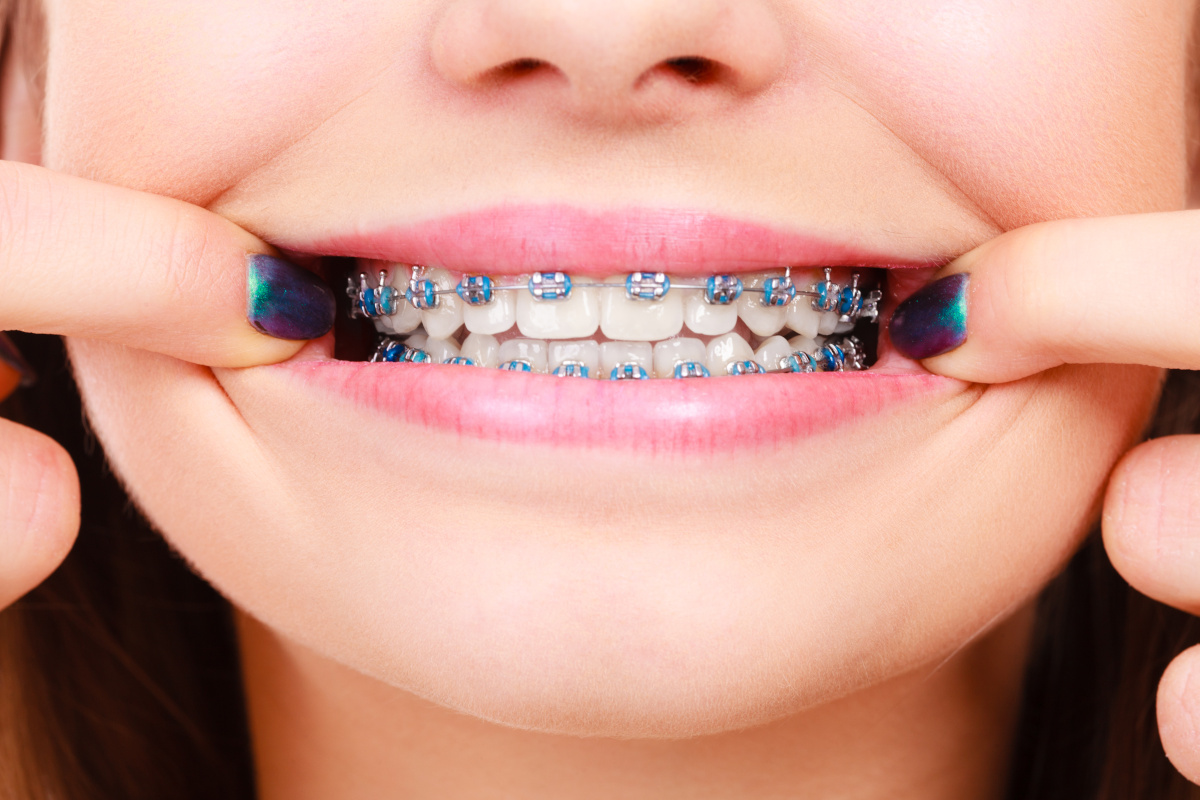
Braces work by applying light, steady pressure that slowly guides teeth into new positions. Most patients feel mild soreness for a few days after getting braces or after an adjustment, and it usually eases with time.
If you’re thinking about braces in Owosso for yourself or your child, it’s normal to wonder what the process really feels like. Will it hurt? Will it change how you eat or talk? This post walks through how braces move teeth and what you can expect day to day, so you can feel ready for your smile journey.
How Do Braces Move Teeth?
Think of a gardener gently training a young tree to grow straight. Small, steady guidance over time does the work. Braces use the same idea.
Each tooth gets a small bracket. A thin wire runs through the brackets and applies light pressure. Over time, your body responds to that pressure and the teeth shift toward their planned positions.
Your orthodontist, a dental specialist who focuses on straightening teeth and aligning bites, designs that plan around your needs. Dr. Zang-Bodis adjusts it as your smile changes. Every mouth is different, so every plan is too.
What Are Braces Made Of?
Traditional braces have three main parts:
- Brackets: small fixtures bonded to the front of each tooth
- Archwire: the thin wire that connects the brackets and guides tooth movement
- Elastic bands or ties: small pieces that help hold the wire in place
Some patients also wear rubber bands, called elastics, to help line up the upper and lower teeth. Your orthodontist will tell you if you need them and how to wear them.
Braces today are better than the braces your parents or grandparents may remember. You can read more about the options on our treatments page.
Does Getting Braces Hurt?
Getting braces on doesn’t involve needles or drilling. The team cleans your teeth, bonds the brackets in place, and threads the wire. Most patients describe the visit as long but manageable.
Soreness usually shows up a few hours later. Your teeth may feel tender or achy, especially when you bite down. Treatment isn’t entirely pain-free, but most people find the discomfort mild and temporary.
How Long Does the Soreness Last?
Tenderness often peaks in the first two or three days and fades within about a week. You may feel it again, usually more lightly, after some adjustment visits. Everyone’s comfort level differs.
A few things can help:
- Eat soft foods like yogurt, pasta, and mashed potatoes at first
- Take an over-the-counter pain reliever if your doctor or pharmacist says it’s right for you
- Use orthodontic wax on any bracket that rubs your cheek or lip
- Rinse with warm salt water to soothe irritated spots
If something feels sharp, loose, or worrying, call our office. We’re happy to help.
What Does a Normal Day With Braces Look Like?
Most patients settle in quickly. Within a couple of weeks, braces start to feel like a normal part of life.
Kids
Younger patients often adjust fast. Many kids enjoy picking colored bands and getting used to a new routine. Parents can help by checking in on brushing and reminding them about foods to avoid.
Teens
Teens are the most common orthodontic patients, and many of their friends are wearing braces too. Treatment fits around school, sports, music, and activities. Teens who play contact sports should ask about a mouthguard made for braces.
Adults
Adults make up about one in five of our patients. Many adults say they wish they’d started sooner. If you work with the public or sit in meetings all day, ask us about less visible options such as clear braces or clear aligners. Not every option suits every patient, and we’ll talk through what fits your goals.
How Do You Eat and Clean Your Teeth With Braces?
Food and cleaning are the biggest changes. Sticky, hard, and chewy foods can damage brackets and wires, so you’ll want to skip things like caramel, hard candy, and popcorn kernels. Cut crunchy foods like apples into small bites.
Brushing takes a bit more time because food can catch around brackets. Brush after meals when you can, and floss daily with a floss threader or similar tool. Healthy gums and clean teeth help your smile look its best when the braces come off.
What Happens at Appointments?
After the first visit, you’ll come in for adjustments. Dr. Zang-Bodis checks your progress, may change the wire or bands, and explains the goal for your next visit. Many patients tell us that knowing the goal makes the time pass faster.
Treatment length varies from person to person, so we can’t promise an exact timeline. After your exam, we’ll share what we expect for your situation. Once braces come off, retainers help keep your new smile in place, and we’ll show you how to wear them.
Are Braces Right for Everyone?
Not always. Braces are very effective for many bite and alignment concerns, but the right choice depends on each person’s needs. Some patients are better suited to clear aligners, and some children only need monitoring until their permanent teeth come in.
That’s why a professional evaluation matters. Dr. Zang-Bodis is a Diplomate of the American Board of Orthodontics, and he completed his orthodontic training at the University of Tennessee. He’ll recommend what fits you best. Learn more about him on our About page.
Frequently Asked Questions
Do braces hurt the whole time?
No. Soreness is usually strongest for the first few days after braces go on and may return briefly after adjustments. Between those moments, most patients feel little or no discomfort.
Can I play sports or an instrument with braces?
Most patients can. Athletes should wear a mouthguard designed for braces, and musicians often adjust within a few weeks. Tell us what you play, and we’ll offer tips.
Do I need a referral from my dentist to see an orthodontist?
No. You don’t need a dentist referral to schedule a visit with us.
How do I know if braces or clear aligners are better for me?
It depends on your teeth, your bite, and your lifestyle. Your orthodontist can explain the pros and cons of each during an exam and recommend what suits you.
When should a child first see an orthodontist?
Children should see an orthodontist around age seven. Most children won’t need early treatment, but an evaluation helps us spot concerns and plan ahead.
Ready to Learn What Braces Could Look Like for You?
If you’re in Owosso, Corunna, or nearby Shiawassee County communities, we’d love to meet you. Your first visit is a complimentary consultation, a low-pressure exam where you can ask every question on your mind. You can read about what to expect on our Getting Started page, or reach out to our team to schedule a time that works for you and your family.